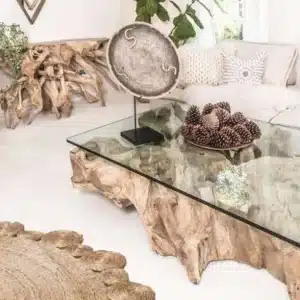
Why is Bali Famous for Japandi Style Furniture and Decor Products?
If you are a fan of interior design trends, you may have come across the term “Japandi” recently. Japandi is an interior design style that blends the minimalist aesthetics of Japanese and Scandinavian design, creating a perfect harmony between East and West. Bali, known for its rich culture and craftsmanship, has become increasingly popular for its production of Japandi style furniture and decor products. But why exactly is Bali famous for these particular pieces? Let’s delve into the reasons behind Bali’s reputation in the world of Japandi style.
Craftsmanship and Quality
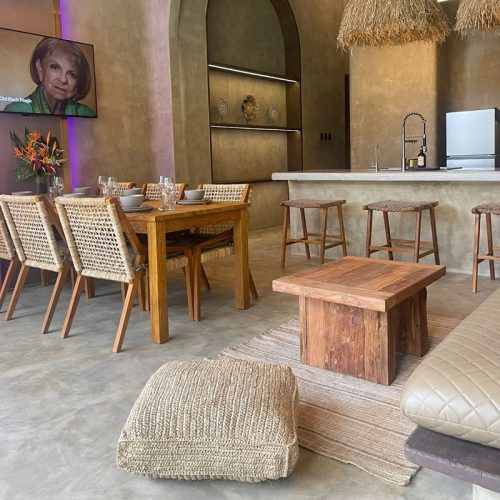
One of the main reasons why Bali is renowned for Japandi style furniture and decor products is the exceptional craftsmanship and quality that the local artisans bring to their work. Balinese craftsmen have a long-standing tradition of creating handcrafted pieces with intricate designs and attention to detail. This dedication to their craft results in timeless and high-quality furniture and decor items that embody the essence of Japandi style.
Natural Materials and Sustainability
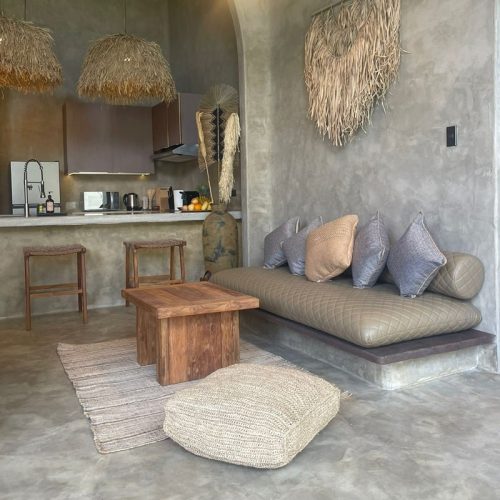
Another key aspect of Japandi style is the use of natural materials, such as wood, bamboo, and linen. Bali’s abundance of sustainably sourced materials makes it an ideal location for producing Japandi style furniture and decor products. The island’s commitment to sustainability aligns perfectly with the environmentally conscious principles of Japandi design, making Bali a natural choice for those seeking eco-friendly and ethically made pieces for their homes.
Cultural Influence and Inspiration
Bali’s unique cultural heritage and spiritual traditions have also played a significant role in shaping the island’s reputation for Japandi style furniture and decor products. The fusion of Japanese simplicity and Scandinavian functionality resonates with Bali’s own design aesthetics, creating a seamless blend of East and West. The island’s vibrant colors, lush landscapes, and tranquil atmosphere serve as a constant a source of inspiration for local artisans, resulting in truly authentic and soulful Japandi pieces.
Collaboration and Innovation
Bali’s thriving creative community and spirit of collaboration have contributed to the island’s popularity in the world of Japandi style. Local designers and craftsmen often collaborate with international brands and designers to create innovative and contemporary pieces that push the boundaries of traditional design. This spirit of innovation and creativity has put Bali on the map as a hub for modern Japandi style furniture and decor products that are both timeless and cutting-edge.
In conclusion, Bali’s reputation for Japandi style furniture and decor products can be attributed to its exceptional craftsmanship, use of natural materials, cultural influence, and spirit of collaboration and innovation. The island’s rich cultural heritage, commitment to sustainability, and creative community have all played a part in making Bali a synonymous with the essence of Japandi design. So, if you are looking to bring a touch of serenity and sophistication into your home, consider investing in Bali-made Japandi style pieces that will not only elevate your space but also reflect the timeless beauty of this unique design aesthetic.