Bali Furniture Manufacturers, Wholesale, Suppliers and Exporters
Bali Furniture

* Premium custom, bespoke furniture factory
* Exporting furniture since 2006
* Massive on-line designer trade catalog
* Specializing in boutique hospitality furniture
* Western owned, Western Quality
* Shipping furniture & decor worldwide

previous arrowprevious arrow
next arrownext arrow

French Provincial Boho Furniture

Boho French Provincial Furniture Chairs


The Perfect Fusion of Style and Sophistication

Indonesia is renowned for its reproduction furniture crafted from premium natural resources such as teak and rattan. With a long-standing tradition of expert woodworking and carving techniques dating back to the Majapahit empire, Indonesian artisans have mastered the art of replicating styles with precision and authenticity. Influenced by colonial-era European designs, Indonesia's reproduction furniture reflects a harmonious blend of traditional craftsmanship and contemporary aesthetics. The availability of skilled labor at competitive prices makes Indonesian reproduction furniture a popular choice for those seeking quality and sophistication in their living spaces.

Indonesia's reproduction furniture in the French Provincial style masterfully blends rustic charm with refined elegance. Inspired by the 18th- and 19th-century French countryside, these pieces echo the grandeur of Parisian courts, tempered by the warmth and simplicity of rural living. Indonesian craftsmen skillfully reproduce French Provincial furniture, carefully replicating its graceful curves, delicate carvings, and romantic floral motifs. Each piece is meticulously handcrafted from natural materials such as mahogany, teak, or mindi wood. The furniture is finished in the soft, muted color palette characteristic of the style—creams, pastels, and earthy tones—capturing the timeless beauty and historical appeal of French Provincial design.

Indonesia French Hotel Motel Furniture Manufacturers
French Provincial Dining Suite copy
Reproduction Safari Chair
French Provincial Carved Classical Sofa
Reproduction Carved French Provincial Chair
Bali Carved French Provincial Furniture
Indonesia French Provincial Sofa
  • Indonesia's rich cultural heritage has nurtured a workforce of skilled carpenters and artisans, renowned for crafting intricate, high-quality furniture with exceptional attention to detail

  • During the colonial period, particularly under the influence of the Dutch East India Company (VOC), European furniture styles and design aesthetics were introduced to Indonesia. These styles significantly influenced local craftsmanship, blending European elements with indigenous materials and techniques.
  • makers have developed a strong reputation for their craftsmanship, particularly in reproducing historical and antique styles such as Chippendale, Victorian, Colonial, and even French Rococo or Dutch colonial furniture.

  • Indonesian artisans also pay attention to aging techniques, like distressing and hand-rubbed finishes, to give new pieces the appearance of centuries-old furniture. They use traditional stains, waxes, and polishing methods to enhance the antique effect.

Indonesia Historical Reproduction Furniture Ranges

Baroque furniture is renowned for its opulent, ornate, and theatrical design, marked by intricate carvings, dramatic curvilinear forms, and the lavish use of luxurious materials such as gilded wood, ebony, and . Originating in 17th-century France under the reign of Louis XIV, the Baroque style quickly spread throughout Europe, becoming a symbol of absolute power and aristocratic splendor. Symmetry and bold ornamentation dominate its compositions, often adorned with motifs like acanthus leaves, volutes, shells, and cherubs. Designed to awe and impress, Baroque furniture reflects a period where art and craftsmanship served to reinforce status, wealth, and divine authority.

Baroque Style

Victorian furniture is renowned for its opulence, craftsmanship, and elaborate detail. Characterized by ornate carvings, dark hardwoods, and rich, heavy fabrics, it reflects the grandeur and eclecticism of the Victorian era (1837–1901). Common woods used include mahogany, rosewood, and walnut, often finished with gilding or painted accents. Decorative motifs typically feature natural elements like flowers, leaves, vines, as well as ribbons, bows, and even mythological figures. Upholstery was frequently done in velvet, brocade, or damask, adding to the luxurious aesthetic. This style combines influences from Gothic, Rococo, and Renaissance revivals, making it one of the most eclectic and recognizable furniture styles in history.

victorian furniture

Rococo furniture is a highly ornamental style that gained popularity in mid-18th century Europe. It is characterized by graceful, asymmetrical designs featuring natural motifs such as shells and flowers, as well as flowing, sinuous lines. This style often incorporates intricate carvings, gilded wood or ormolu, and themes inspired by nature and exotic Chinoiserie designs. Rococo furniture offers a lighter, more playful, and elegant alternative to the heavier Baroque style, making it a favorite among those seeking a touch of whimsy and sophistication in their decor.

rococo furniture

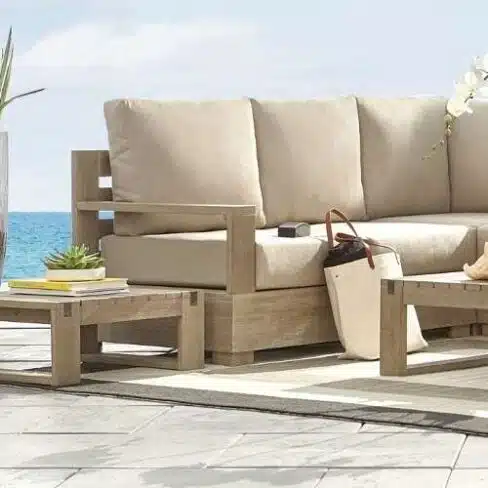
Elizabethan furniture (1558–1603) is known for its heavy and ornate designs, featuring elaborate carving in oak and walnut. Inspired by the Renaissance, it incorporates motifs like masks, fruit, and flowers. The furniture typically has distinctive bulbous legs on tables and elaborate four-poster beds, reflecting the grandeur of the era. This style was a British interpretation of Renaissance design, influenced by Northern European styles and elements from the earlier Tudor period. Elizabethan furniture is a beautiful reflection of the artistic and cultural influences of the time, showcasing craftsmanship and attention to detail in every piece.

Elizabethan Furniture

Your Guide to Wholesale Teak Outdoor Furniture

Bali Outdoor Occasional Chair
Outdoor Occasional Chair Wholesale
Bali Occasional Chairs
Bali Resort Style Outdoor Dining Chair
Outdoor Designer Rope and Teak Range Small
Indonesian Outdoor Furniture Designer

Renowned for its durability, craftsmanship, and timeless design, teak outdoor furniture is handcrafted by skilled artisans using premium-grade teak and high-quality synthetic rattan. Designed to withstand the harsh elements of tropical climates, these pieces offer both strength and sophistication.

With demand driven by Bali's booming tourism industry, this furniture is a favorite for resorts, hotels, and outdoor spaces that require stylish, weather-resistant solutions. Whether basking in the sun or braving tropical rain, Bali teak outdoor furniture delivers long-lasting comfort and elegance—making it a sought-after choice in both local and international markets.

1. Exceptional Durability

  • Natural oils in teak wood make it highly resistant to water, moisture, and humidity.

  • It's not prone to rotting, warping, or cracking, even in harsh weather conditions like sun, rain, and snow.

  • This makes it ideal for year-round outdoor use in hotels, resorts, and restaurants.

2. Naturally Pest-Resistant

  • Teak contains natural resins and oils that repel insects like termites and marine borers.

  • This is crucial in tropical and coastal hospitality settings, where wood-boring insects are common.

3. Low Maintenance

  • Requires very little upkeep — occasional cleaning is usually enough.

  • It can be left to age into a silver-grey patina or maintained in its honey-gold color with minimal effort.

  • This reduces the labor and maintenance costs for hospitality businesses.

4. Timeless Aesthetic Appeal

  • Teak has a rich, elegant appearance that complements both modern and classic outdoor décor.

  • Creates a premium and relaxing ambiance, enhancing guest experience.

5. Long Lifespan = Better ROI

  • Teak furniture can last 20+ years, even with heavy use.

  • Hospitality venues get a strong return on investment due to its longevity and reduced replacement needs.

6. Sustainability 

  • Many suppliers offer FSC-certified teak, which aligns with eco-conscious values in the hospitality industry.

Teak outdoor furniture offers a rare combination of beauty, resilience, and low total cost of ownership — all critical for hospitality businesses that prioritize durability, style, and guest satisfaction.

Why Teak

Teak wood is renowned for its exceptional durability and natural strength. Thanks to its high density and rich natural oils, it is highly resistant to water, decay, and pests such as termites. This inherent resilience makes teak an ideal choice for outdoor furniture, where it can withstand harsh weather conditions without compromising its integrity. Teak furniture often lasts for decades—even centuries—with minimal maintenance, retaining both its beauty and functionality over time. As a result, investing in teak is not only a practical decision but also a long-term one, offering enduring value for generations.

Design

Teak wood is celebrated for its timeless aesthetic appeal, characterized by a warm, golden-brown hue that radiates elegance and sophistication. Over time, it naturally develops a beautiful silver-grey patina when exposed to the elements, a transformation highly prized by furniture connoisseurs. Its distinctive grain patterns and smooth texture enhance its visual charm, allowing it to complement a wide range of design styles—from classic to contemporary. Incorporating teak into a space not only adds a touch of luxury but also offers enduring beauty and resilience, making it a preferred choice for those who value both style and longevity in their furnishings.

Hassle Free

Teak furniture is renowned for its low-maintenance nature, especially when compared to other types of wood or outdoor materials. It typically requires only periodic cleaning with mild soap and water to maintain its appearance. Many furniture retailers emphasize this simple care routine, noting its hassle-free upkeep. Unlike some outdoor furniture options, teak doesn't need regular staining, sealing, or painting—making it an ideal choice for those seeking durability and ease of maintenance in their outdoor spaces.

Eco-Friendly

Sustainable teak furniture offers both beauty and environmental responsibility. Crafted from high-quality teak wood sourced from responsibly managed plantations, this furniture helps preserve natural forests and ensures the long-term availability of the resource. Its exceptional durability means fewer replacements over time—reducing waste and conserving materials. Whether for a retail floor or a resort project, choosing sustainable teak furniture means making a lasting investment in both style and sustainability.

Serenity in Style: The Allure of Balinese Furniture in Hospitality Design

Whether you're a retail store, hotel, motel, or resort, Fuzen Decor offers customized solutions tailored to your project needs.

Our extensive selection of outdoor furniture is crafted from kiln-dried teak wood, ensuring exceptional resistance to changes in temperature and humidity. These pieces are perfect for gardens, terraces, and as auxiliary furniture for poolside settings—think sun loungers, Balinese umbrellas, relaxed sofa sets, and sturdy outdoor tables designed for both style and durability.

Every piece can be customized to suit your vision and requirements, whether you're furnishing a chic restaurant terrace, a lively beach club, or a boutique hotel. You choose the design and finish, and our team will work closely with you to ensure the end result matches your expectations. From concept to delivery, your satisfaction is our priority.

Bali-Antique-Furniture-Suppliers-Wholesale
Indonesia-Teak-Dining-Suite
Bali-Rattan-Hanging-Chairs-Pods-Cushions
Natural-Teak-Root-Furniture

Balinese furniture is in high demand among resorts because of its capacity to establish a peaceful, organic, and culturally immersive atmosphere. By incorporating natural materials such as wood and rattan, along with detailed craftsmanship and design elements inspired by Balinese culture, it is able to cultivate a feeling of calmness and unity, making it perfect for luxurious and relaxing resort settings. The fusion of traditional Balinese patterns with contemporary design aesthetics appeals to individuals seeking authenticity and sophistication in their living spaces. Moreover, the robustness and longevity of Balinese furniture guarantee that it can endure the rigors of busy resort environments without losing its charm and appeal.

Bali's Relationship to Nature

  • Bali furniture is so popular because it creates a strong connection to nature. By incorporating natural materials like teak, rattan, and bamboo, Balinese furniture seamlessly merges interior spaces with the surrounding tropical environment. This biophilic design, aesthetic allows for a harmonious transition between indoors and outdoors, reflecting the essence of Balinese culture and lifestyle. The use of natural elements not only enhances the beauty and authenticity of the furniture but also brings a sense of tranquility and serenity into living spaces. 

Calming and Tranquil 

  • Balinese furniture is rooted in a design philosophy that emphasizes balance, harmony, and a deep connection to nature, fostering a calming and tranquil atmosphere—ideal for creating peaceful resort environments.

Durability

  • Balinese furniture, especially pieces crafted from teak and other high-quality hardwoods, is renowned for its exceptional durability and natural grain beauty. These materials resist moisture, pests, and wear, allowing the furniture to endure various weather conditions with minimal maintenance. This makes them ideal for both indoor and outdoor resort settings, where longevity and resilience are essential.

Authentic

  • Balinese furniture adds an element of cultural authenticity and exotic charm to resorts, providing guests with a unique and immersive experience. Guests are drawn to the mystical and serene ambiance that Balinese furniture creates, transporting them to a different world filled with beauty and tradition

Versatility

  • is so popular due to its versatility. Balinese furniture can seamlessly blend into various design styles, from traditional to contemporary, making it a popular choice for resorts looking to create a personalized and unique look. The intricate designs and quality craftsmanship of furniture add a touch of luxury and exotic charm to any space.

Sustainable

  • Many Balinese furniture makers rely on locally sourced, sustainable materials such as reclaimed teak, bamboo, and rattan. Employing traditional woodworking and carving techniques that have been passed down through generations. This commitment to sustainability not only supports the local economy and preserves cultural heritage, but also aligns with the values of eco-conscious travelers seeking authentic and responsible guest experiences.

Quality Control in Balinese Furniture Manufacturing

  • The quality control process for Balinese furniture is both meticulous and ongoing, ensuring each piece upholds the highest standards from start to finish. Skilled artisans and dedicated supervisors are involved at every stage, closely monitoring both the craftsmanship and the materials being used.
  • Open communication between design teams, factory artisans, and clients helps guarantee the finished furniture meets specific expectations—down to the smallest detail.
  • Before packaging and shipping, every single product undergoes a thorough inspection. Artisans carefully check for structural integrity, finish consistency, and any imperfections, making sure that each item is as beautiful and resilient as promised.
  • This hands-on approach not only preserves the authenticity of Balinese design but also ensures that every piece arriving at its destination—whether it's a five-star resort or a luxury villa—is of exceptional quality and ready to impress.

Crafting Culture: A Look at China vs Indonesia Furniture Styles

Indonesia-Teak-Dining-Suite
china-vs-indonesia-furniture/

Crafting Culture: A Look at China vs Indonesia Furniture Styles

China is recognized for its mass-produced furniture on a large scale, typically available at lower price points. In contrast, Indonesia is known for its handcrafted, sustainable pieces which are often more unique and an investment in quality. The decision between the two options hinges on individual needs and priorities, such as budget constraints, desired quality, and ethical considerations. China's furniture industry benefits from economies of scale, providing affordability and a broad selection of modern designs. On the other hand, is celebrated for its traditional craftsmanship, utilizing local materials and techniques that emphasize sustainability and distinctiveness. Whether you value affordability or quality, mass production or artisanal craftsmanship, understanding these disparities is crucial in making an informed choice between Chinese vs Indonesian furniture.

Indonesia Materials

  • Indonesian furniture is renowned for its use of premium hardwoods such as teak, , and suar, along with durable materials like rattan. Teak wood is especially highly prized for its natural oils, resistance to pests and moisture, and exquisite grain patterns. The craftsmanship and attention to detail that Indonesian artisans put into each piece result in furniture that is not only aesthetically pleasing but also long-lasting and functional.

Craftsmanship and Design

  • The craftsmanship of Indonesian furniture is renowned for its exceptional quality and meticulous attention to detail. Drawing inspiration from local traditions and cultural heritage, each piece reflects Indonesia's artistic legacy with intricate carvings and unique designs. Skilled artisans, who have passed down their craft from generation to generation, painstakingly create top-notch furniture that beautifully captures the essence of Indonesian culture.

Sustainability

  • Indonesia's commitment to sustainability is exemplified in its furniture industry. The natural oils found in teak and other hardwoods make Indonesian furniture inherently durable and resistant to weather and pests, making it a top choice for outdoor furniture. Beyond the quality of the materials, Indonesian furniture makers also place a strong emphasis on sustainable forestry practices. By using certified wood sourced from responsibly managed forests.

Prices

Indonesia's lower labor costs and abundant raw materials play a significant role in offering competitive pricing for products, particularly for high-quality, durable pieces.  As a result, Indonesia has become a hub for producing quality goods at competitive prices, attracting businesses looking to optimize their manufacturing processes and costs. With a skilled workforce and access to plentiful resources, Indonesia continues to be a top destination for companies seeking affordable yet high-quality products.. 

China Materials

Chinese furniture combines traditional craftsmanship with a focus on speed and scale, leading to a broader range of materials beyond wood. While various wood types are still utilized, the emphasis may shift towards incorporating less durable or sustainable materials to meet the demands of production. 

Craftsmanship and Design

  • China also has a rich tradition of furniture making, modern production often emphasizes scale and variety, catering to global markets. This can sometimes result in less emphasis on intricate craftsmanship or regionally distinct designs compared to more artisanal approaches.

Sustainability

  • While there are ethical and sustainable in China, the sheer scale of production can sometimes lead to concerns about illegal logging and environmental impact. It is essential for China to prioritize sustainability practices to mitigate these issues and ensure a greener future. By promoting eco-friendly initiatives, supporting renewable energy sources, and enforcing strict regulations, China can work towards a more sustainable model of production.

    Prices

  • China's large-scale production capabilities allow for lower prices on goods, making it a popular choice for many consumers. However, this cost-effectiveness may come at a cost when it comes to material quality or ethical sourcing practices. It is important to consider these factors when choosing products manufactured in China, as some may prioritize affordability over sustainability or fair labor practices. By being informed and conscious consumers, we can support responsible production practices and encourage transparency in the supply chain.

Unveiling the Allure: ‘s Affinity for Japandi Style Furniture

Natural-Teak-Root-Furniture

Unveiling the Allure: Bali's Affinity for Japandi Style Furniture

is renowned for Japandi style furniture due to its perfect blend of Japanese minimalism and Scandinavian functionality. The island's skilled artisans have mastered the art of creating pieces that embody the clean lines, natural materials, and serene feel characteristic of Japandi style. Influenced by the island's natural beauty and cultural heritage, Bali's furniture makers craft items that exude a sense of tranquility and warmth. The fusion of these two design philosophies creates furniture that is not only visually appealing but also highly practical, emphasizing simplicity, natural textures, and calming hues. This harmonious combination makes Bali a hub for Japandi style furniture, attracting design enthusiasts seeking a balance of form and function in their living spaces.

1. Abundant Sustainable Materials & Eco-Conscious Practices

  • Bali artisans are deeply rooted in sustainability, crafting their pieces using locally sourced, renewable materials such as teak, bamboo, rattan, suar wood, seagrass, and reclaimed timber.

    2. Craftsmanship Rooted in Tradition & Innovation

  • Balinese Furniture is traditionally handcrafted by skilled local artisans, using time-honored techniques passed down through generations. Each piece blends functionality with intricate artistry, reflecting the rich cultural heritage and natural beauty of Bali.

    3. Natural Aesthetic That Complements Japandi Design

  • Rooted in organic textures, muted palettes, and an innate harmony between interior and exterior spaces, Bali's aesthetic breathes life into Japandi design—enhancing its quiet elegance with an expressive, tropical warmth.

Bali’s Relationship With Biophilic Design and Materials

Bali's Relationship With Biophilic Design and Materials

Bali's strong connection with nature makes it an ideal setting for embracing biophilic design principles and materials. By incorporating elements such as abundant natural light, local plants, and sustainable materials like bamboo and rattan, Balinese architecture effortlessly blurs the lines between indoor and outdoor spaces. This approach not only enhances the aesthetic appeal of buildings but also promotes well-being by creating a serene and harmonious environment. The use of traditional techniques and materials in construction further highlights Bali's commitment to sustainable living and ensures that the island remains a haven for those seeking a deeper connection with nature. In essence, serves as a living example of how biophilic design can positively impact both individuals and the environment.

bali-furniture-Indonesia-exporters-manufacturers.-Natural-furniture-mobile

1. Natural Materials

  • Made from wood, bamboo, rattan, stone, cork, wool, or other organic materials.
  • Prioritizes sustainably sourced or recycled materials.

2. Nature-Inspired Forms

  • Curved, organic shapes instead of harsh, geometric lines.
  • Mimics patterns found in nature, like leaves, waves, or tree branches.

3. Textures and Colors from Nature

  • Earthy tones like greens, browns, and neutrals.
  • Textures that evoke stone, bark, sand, or foliage.
Bali Hotel Furniture Factory for Hotel, Motel, Resort Wholesale

Enhancing Guest Well-being and Comfort.

  • Reduce stress and anxiety.
  • Improve mood and relaxation
  • Boost creativity and productivity

Hotels want guests to feel calm, refreshed, and comfortable, especially in spaces like lobbies, lounges, and guest rooms. Biophilic furniture contributes to creating that serene, natural atmosphere.

Competitive Advantage & Guest Experience.
In a crowded market, hotels need to differentiate themselves.

  • Unique, natural aesthetics make a strong impression.
  • Biophilic elements encourage longer stays and better reviews.
  • Guests are more likely to share experiences on social media when a space looks distinctive and inviting.

Bali-Outdoor-Teak-Designer-Furniture

Sustainability and Eco-Friendly Branding

  • Reclaimed wood
  • Low-impact materials
  • Non-toxic finishes

Hotels that adopt sustainable design appeal to eco-conscious travelers, meet green certification standards (like LEED or WELL), and align with global sustainability goals.

Psychological Benefits in Shared Spaces

In lobbies, co-working lounges, spas, or restaurants:

  • Biophilic elements foster social interaction, calmness, and a sense of openness.
  • These spaces feel less sterile and more inviting, encouraging guests to linger longer and engage more.

Exotic Elegance: Unveiling the Tulum Design Fusion

Exotic Elegance: Unveiling the Bali Tulum Design Fusion

Tulum Style Furniture draws inspiration from the rustic and sustainable Tulum style of Mexico, featuring a boho-chic aesthetic with natural materials like weathered wood, stone, and handcrafted textiles. The color palette includes warm, neutral tones reflecting nature's beauty, while a bohemian influence is evident in the flowing fabrics and relaxed furnishings. Sustainability is a priority, utilizing eco-friendly and locally sourced materials. The seamless indoor-outdoor connection enhances the space, with handmade elements adding a unique touch. Embrace the tranquil and earthy vibes of Bali Tulum Style Furniture for a harmonious living space.

Rustic-Teak-Furniture-Bali-Balinese-Suite

Indonesian Decoration & Handcrafted Arts

Bring a world of culture into your spaces with the diverse tapestry of Indonesian decoration and crafts. Every island, from Bali to Java and beyond, brings its own artistry and heritage to the table—each piece telling a unique story through natural textures, traditional skills, and contemporary bohemian flair.

Styles You'll Discover

  • Bali Boho Decor: Fusing laid-back, sun-soaked Bali energy with global bohemian influences—think woven wall hangings, intricately carved mirrors, seashell chandeliers, and playful macramé. These pieces are vibrant, soulful, and effortlessly chic, perfect for relaxed homes and boutique resorts alike.
  • Ethnic & Tribal Accents: Dive into centuries-old motifs from Timor, Papua, Borneo, and more. Authentic hand-carved panels, ancestral statues, and ceremonial masks deliver bold character, especially when paired with rustic woods and natural finishes.
  • Mix-&-Match Fusion: Many Indonesian designers seamlessly blend multiple cultural styles for one-of-a-kind statement decor—floral Javanese batik alongside Sumba's geometric patterns, or Lombok pottery next to Balinese driftwood sculpture.
  • Handcrafted Panels & Mirrors: Wall-sized headboard panels, intricate mirror frames, and relief-carved room dividers showcase world-class woodcraft, often in sustainably sourced teak or reclaimed timbers. Every intricate motif—lotus, peacock, leaf scroll—reminds you of Indonesia's proud artisanal legacy.
  • Decorative Accessories: Shell-inlaid boxes, rattan trays, jute poufs, woven baskets, and volcanic stone vases. Whether you favor subtle touches or dramatic centerpieces, the range includes something to suit any setting, from cozy home corners to striking hotel lobbies.

Indonesian decoration and crafts aren't just furnishings—they're statements, infusing interiors with history, warmth, and the spirit of the archipelago.